Probiotics for IBS: The Meta-Analysis Says NNT of 7, Whorwell's B. infantis 35624 Trial Remains the Gold Standard After 20 Years, and Strain Specificity Is Not Marketing — It Is the Difference Between an Evidence-Based Intervention and an Expensive Placebo
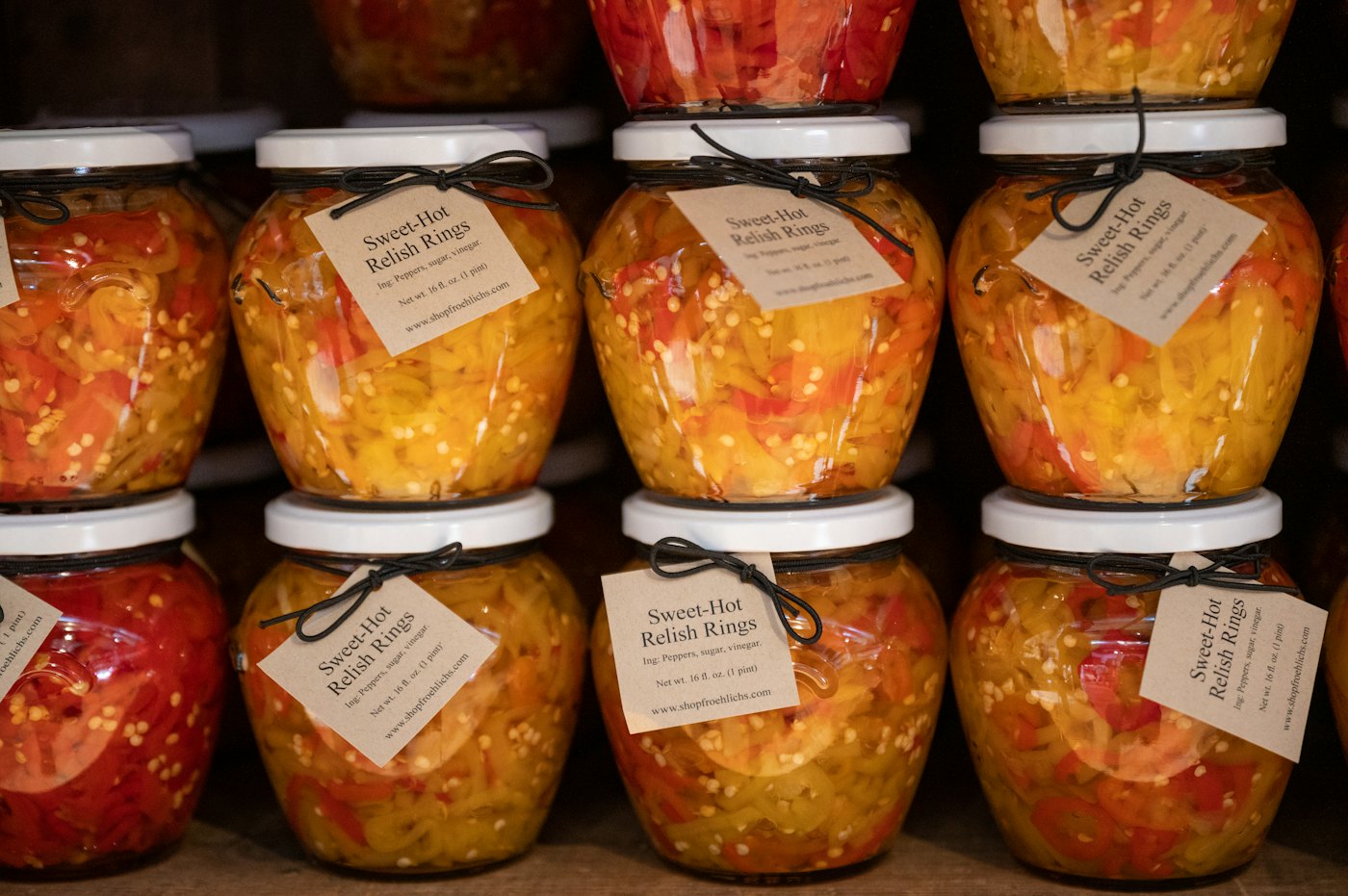
Fermented foods deliver live cultures in a food matrix - a different proposition from a capsule.
Updated: June 2026probiotics for IBS · best probiotic for IBS · probiotics irritable bowel syndrome · IBS probiotic treatment · do probiotics help IBS · probiotic IBS evidence · probiotic IBS review · Ford 2014 probiotics IBS · Ford meta-analysis probiotics · probiotics IBS meta-analysis · IBS probiotic meta-analysis · IBS probiotic RCT · Bifidobacterium infantis 35624 · Bifantis B. infantis · Whorwell 2006 probiotics · Align probiotic IBS · Activia probiotic · B. longum probiotics · Lactobacillus rhamnosus GG · Lactobacillus GG IBS · L. acidophilus IBS · L. plantarum IBS · VSL#3 IBS · De Simone formulation · Visbiome IBS · multi-strain probiotic · single strain vs multi-strain probiotic · probiotic CFU count · how many CFU probiotic · billion CFU probiotic · probiotic colony forming units · probiotic dose · probiotic IBS dose · refrigerated probiotic · shelf stable probiotic · does probiotic refrigeration matter · live cultures probiotic · viability probiotic · IBS-C probiotic · IBS-D probiotic · IBS-M probiotic · IBS subtype probiotic · probiotic for diarrhea IBS · probiotic for constipation IBS · probiotic bloating · probiotic gas · probiotic side effects · probiotic IBS worsening · SIBO and probiotics · probiotic and SIBO · should I take probiotics with SIBO · probiotic antibiotic · probiotic after antibiotics · gut microbiome IBS · dysbiosis IBS · microbiome diversity IBS · IBS microbiome research · low FODMAP diet probiotics · IBS diet and probiotics · IBS treatment options · IBS medication vs probiotic · IBS natural treatment · first line IBS treatment · psychobiotic IBS · probiotic mental health IBS · gut brain axis IBS probiotic · probiotic anxiety IBS · probiotic depression IBS · best time to take probiotic · morning probiotic · probiotic with food · probiotic before or after meal · probiotic safety · probiotic immunocompromised · probiotic safety data · who should not take probiotics
The probiotic market is worth over $60 billion globally and growing rapidly — driven partly by legitimate scientific evidence and partly by consumer enthusiasm that has outrun that evidence considerably. The IBS field illustrates the tension well. There is good meta-analytic evidence that probiotics, as a category, outperform placebo for IBS symptom relief. Ford 2014's analysis of 43 RCTs found a number needed to treat (NNT) of 7 — meaning 1 in 7 patients who would not have responded to placebo responds to probiotics. That is a clinically meaningful effect comparable to many pharmaceutical interventions for IBS. But the same meta-analysis was unable to identify which specific probiotic species, strain, dose, or formulation was responsible for this benefit, because the 43 trials studied 43 different products. The signal exists at the category level, but translating that signal into a specific purchasing decision requires strain-level evidence — which barely exists.
The single most rigorous piece of strain-specific evidence in IBS is Whorwell 2006: a multicenter, randomized, double-blind trial of Bifidobacterium infantis 35624 in 362 women with IBS. It found statistically and clinically significant improvements in pain, bloating, and bowel dysfunction versus placebo, with the 1×10⁸ CFU dose outperforming both the 1×10⁶ and 1×10¹⁰ CFU doses (suggesting a non-linear dose-response). B. infantis 35624 remains the most replicated single-strain IBS probiotic in the literature. It is commercially available as Align. This is the floor of what evidence-based probiotic selection looks like.
NNT=7
probiotics for IBS (Ford 2014 meta-analysis) — Ford et al. 2014 (American Journal of Gastroenterology): the largest and most cited meta-analysis of probiotics for IBS; 43 RCTs included; N=3,452 participants; inclusion criteria: RCT design, IBS diagnosis by validated criteria (Rome II or III), probiotic vs placebo or active comparator; primary outcome: persistence of IBS symptoms or failure to achieve improvement in global IBS symptom score; results: probiotics vs placebo: relative risk (RR) of persistent symptoms = 0.79 (95% CI 0.70–0.89); absolute risk reduction: ~14%; NNT: approximately 7; secondary outcomes: significant improvements in bloating and flatulence as individual symptoms; abdominal pain: not consistently significant across all studies; limitations noted by the authors: (1) enormous heterogeneity across trials in probiotic product, dose, duration, patient population, and outcome measure — statistical I² = 48%, indicating substantial heterogeneity; (2) 43 trials studied 43 different products; meta-analytic pooling across them assumes the effect is a class effect, which may not be true; (3) risk of bias: 29 of 43 trials rated as unclear or high risk on at least one domain; (4) publication bias likely; the NNT=7 is the honest summary statistic: better than nothing, clinically relevant in context of a condition with limited pharmaceutical options, but not sufficiently specific to guide probiotic selection
Whorwell 2006
B. infantis 35624 gold standard RCT — Whorwell et al. 2006 (American Journal of Gastroenterology): N=362 women with IBS (all subtypes); multicenter, randomized, double-blind, placebo-controlled; design: 4-arm trial testing three doses of B. infantis 35624 (1×10⁶, 1×10⁸, 1×10¹⁰ CFU) vs placebo, taken daily for 4 weeks; primary endpoint: IBS composite symptom score (abdominal pain, bloating/distension, bowel dysfunction, incomplete evacuation, straining, passage of gas); results: 1×10⁸ CFU arm: all primary symptom measures significantly improved vs placebo (p<0.05); the 10⁶ and 10¹⁰ arms: showed smaller, often non-significant effects; the dose-response was non-monotonic — the middle dose outperformed both the lower and higher doses; this is unusual and mechanistically unexplained but has been replicated in subsequent work; the effect size was approximately 20–30% improvement in composite score vs placebo; the study's strengths: multicenter design reduces site-specific bias; large N for a probiotic trial; validated symptom scoring; limitations: women only (limits generalizability); 4-week duration (does not address long-term maintenance); no microbiome outcome data; strain mechanism not fully elucidated; B. infantis 35624 is the strain in Align (Procter & Gamble), making it widely commercially available; the 1×10⁸ CFU dose in Align corresponds to the trial dose
Strain-Specific
why generic multi-strain products disappoint — the mechanistic problem with generic probiotic blends: each bacterial strain has distinct adhesion characteristics to specific intestinal epithelia; distinct interactions with toll-like receptors (TLRs) and NOD-like receptors (NLRs) on intestinal immune cells; distinct metabolic outputs (short-chain fatty acids, neurotransmitter precursors, bacteriocins, immunomodulatory polysaccharides); distinct survival characteristics (acid resistance, bile tolerance, colonization potential); combining 10–20 strains in one capsule does not pool their individual benefits — it creates strain interactions (competitive exclusion, bacteriocin inhibition, pH competition) that are unpredictable and poorly studied; the VSL#3 (now De Simone formulation / Visbiome) is the most-studied multi-strain product with IBS/IBD evidence: 8-strain blend (4 Lactobacillus, 3 Bifidobacterium, 1 Streptococcus thermophilus); 112.5–900 billion CFU depending on formulation; the IBD evidence (pouchitis in ulcerative colitis patients) is strong; the IBS evidence is moderate (Kim 2005, N=25: significant bloating reduction; Guandalini 2010 RCT); commercial products labeled VSL#3 do not all contain the same formula as the RCT material — the De Simone formulation is the one studied; this supply chain confusion is a serious problem in the field
Lactobacillus GG
the most-studied probiotic globally — Lactobacillus rhamnosus GG (LGG, ATCC 53103) is the most published probiotic strain in medical literature with over 1,000 RCTs across all indications; IBS-specific evidence: more mixed than its overall evidence base; Francavilla 2010 (Clinical Gastroenterology and Hepatology): N=141 children with IBS; LGG vs placebo × 8 weeks; significant reduction in abdominal pain frequency and severity; Horvath 2011 meta-analysis (Alimentary Pharmacology and Therapeutics): LGG shows significant benefit for abdominal pain in pediatric IBS; adult IBS: evidence less consistent; strongest evidence for LGG is in antibiotic-associated diarrhea prevention (Goldenberg 2013 Cochrane: NNT approximately 8 for AAD prevention) and rotavirus gastroenteritis reduction in children (Shornikova 1997 RCT); for adult IBS specifically, B. infantis 35624 has stronger head-to-head evidence; where LGG may still be useful in gut contexts: post-antibiotic microbiome recovery; IBS in pediatric patients; traveler's diarrhea prevention; colonization: LGG can be detected in stool for approximately 1–3 weeks after cessation — longer than many other strains; commercial availability: Culturelle (LGG only); Florastor contains Saccharomyces boulardii (a yeast, not a bacterium — different mechanism, used primarily for AAD)
Ready to fix this at the root?
The 30-Day Gut Reset is the full day-by-day protocol — mechanisms, dosed repair steps, a diagnostic chapter, food/swap tables, and a maintenance plan, built from the same research on this page.
Evidence-Based Probiotic Selection Protocol for IBS
Step 1 — rule out SIBO first: probiotics can worsen SIBO by adding bacterial biomass to an already overpopulated small intestine; if dominant symptoms are bloating immediately after eating (especially within 30–90 minutes of meals), probiotic supplementation may cause worsening; consider glucose or lactulose breath testing before starting probiotics if SIBO is suspected; once SIBO is treated and confirmed negative, probiotic reintroduction can support long-term prevention of recurrence by normalizing the colonic microbiome.
Step 2 — strain selection by symptom: IBS with predominant pain and bloating (IBS-M or IBS-C): B. infantis 35624 (Align, 1×10⁸ CFU daily) — strongest evidence; IBS with predominant diarrhea (IBS-D): VSL#3 / Visbiome or Saccharomyces boulardii (Florastor, 250–500mg BID) — both have diarrhea-specific evidence; post-infectious IBS following gastroenteritis: L. rhamnosus GG (Culturelle, 10¹⁰ CFU daily) — strongest post-infectious and antibiotic recovery evidence.
Step 3 — duration and assessment: probiotic effects in IBS are typically gradual; give any chosen product a minimum 4-week trial at consistent daily dosing before evaluating efficacy; do NOT assess at 1 week — GI symptoms often temporarily worsen in the first 1–2 weeks as the intestinal flora adjusts; assessment: track symptom diary (pain frequency 0–10, stool consistency Bristol scale, bloating 0–10) for 4 weeks pre-supplement and 4 weeks on supplement; if no improvement by week 6, this strain is not effective for you — the non-responder rate is ~85% (NNT=7 means 6/7 don't respond); try a different strain before concluding probiotics are ineffective.
Storage and viability: refrigerated probiotics have higher guaranteed live cultures at time of purchase; shelf-stable probiotics (spore-formers like Bacillus coagulans, or encapsulated strains) survive room temperature but the organisms differ; for Lactobacillus and Bifidobacterium specifically, refrigeration is preferred; check expiration date and CFU count at expiration (not at manufacture); once opened, use within 30 days and refrigerate.
Scam calls targeting older adults are at record levels — the FBI logged $7.75 billion in reported losses from adults 60+ in 2025. Our free, no-signup guides show families exactly how the calls work — and the four rules that stop them.
Get the free Fermentation Log - plus the weekly digest
A fillable batch log for kimchi, sauerkraut and kefir - salt, temperature, days, pH and taste - with the FDA safety threshold and a troubleshooting page.